Bagpipe Underground | New to Bagpipes?
Let's get this out of the way early, because it's probably one of the first things you searched.
The honest answer is: it depends on where you are in the journey. The good news is that the beginning is far more affordable than most people expect. The fuller picture is more nuanced, and there's one trap that catches a surprising number of beginners before they even get started -- buying a cheap, unplayable set of full pipes way too early, from the wrong place. We'll cover all of it here.
Think of the cost of learning bagpipes in phases. You don't pay for all of it upfront. You earn your way into each stage.
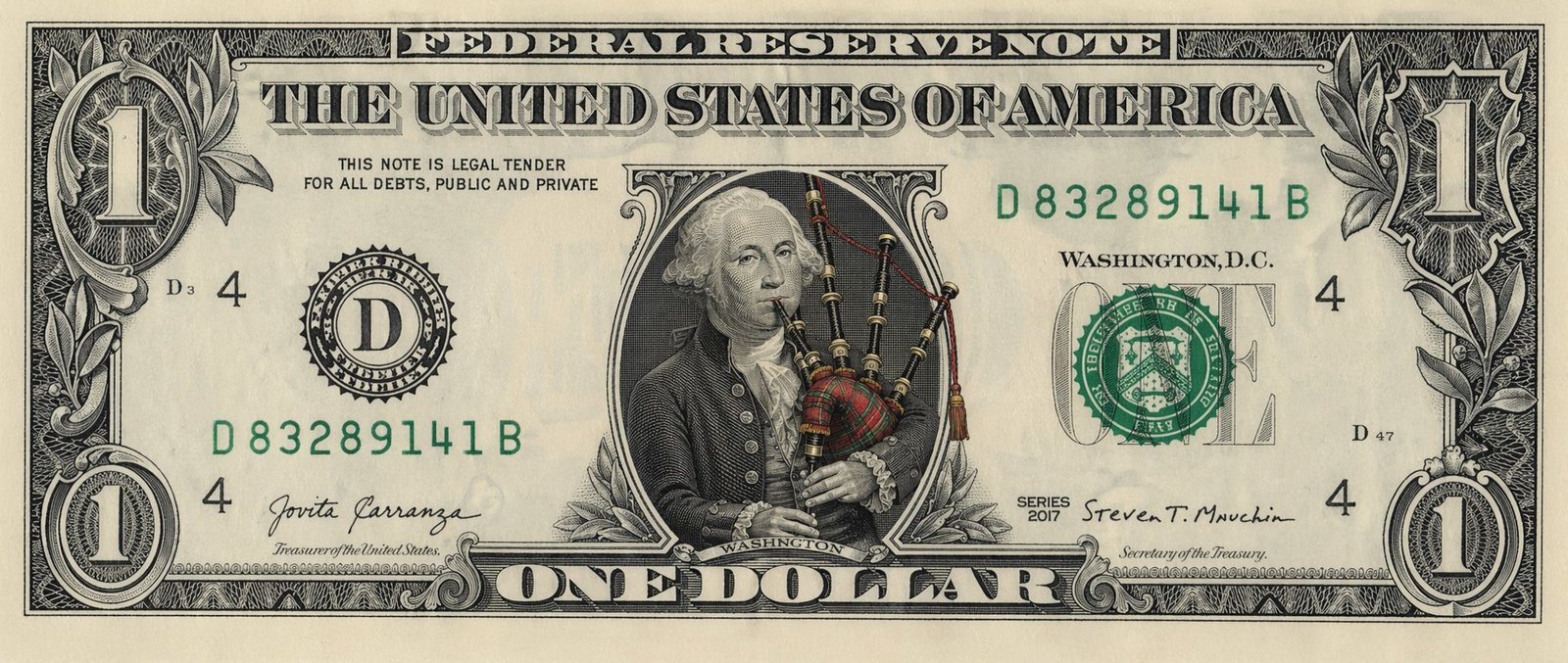
Phase 1: Getting Started (The Affordable Part)
Your entire cost to begin learning the bagpipes is a practice chanter, and possibly a beginner's instruction book.
A quality practice chanter runs somewhere between $60 and $100. That's it. That's your day-one investment. Nothing else is needed, nothing else should be purchased, and frankly nothing else should even be considered until you've spent real time with the practice chanter and decided this is genuinely something you want to pursue.
A few things are worth knowing about that $60 to $100:
Cheap is not better here. There are practice chanters available for less, and they tend to have inconsistent tone, poor intonation, and reeds that give you nothing useful to work with. Spending a little more at the start gets you an instrument that actually teaches you something. Your local pipe band, an instructor, or a reputable online bagpipe supplier will steer you toward solid options. The traditional advice from experienced players was to never buy items like practice chanters off Amazon. But times are changing, and reputable makers (Frazer Warnock, RG Hardie, etc.) are appearing more often there now -- you just need to know what a reputable product and manufacturer looks like. (We get into the specific what-to-buy question in The Practice Chanter Guide.)
You'll also want a practice chanter reed, which is either included with the chanter or costs around $8 to $15 on its own. Reeds don't last forever, and it's always good to have an extra on hand due to unexpected breakage, so budget to replace yours a couple of times a year as you get going.
An instruction book is optional if you have a teacher, and a reasonable investment of $15 to $30 if you're starting out on your own. There are also good free resources online along with some recommended lesson books, which we cover separately in the pathway.
Phase 1 total: roughly $75 to $130. That's your entire cost for the first several months of this journey.
Before we walk through the later phases, though, there is one trap we need to flag. It is the single most expensive mistake in this whole pathway, and a surprising number of beginners make it before they have even touched a practice chanter.
The One Warning You Need Before You Spend a Dollar
Here is the most important piece of financial advice in this entire article.
You do not need a full set of bagpipes at this time. And if you still insist on buying a full set at this point, do not buy a full set of bagpipes from Amazon, eBay, or any retailer selling a complete set without some advice and counsel on your purchase.
These instruments, often manufactured cheaply overseas with little quality control, look like bagpipes. They have all the right parts. They will not function as bagpipes. The wood (when it is wood) is typically unsuitable for the demands of the instrument. The reeds are frequently unplayable. The tuning is often so far off that even an experienced piper cannot get them to sound right.
This is not snobbery. Experienced pipers and pipe band instructors see this story constantly: an excited beginner spends $150 on a set they found online, can't get them to play, assumes they're doing something wrong, and either struggles for months or gives up entirely. The instrument was the problem, not the player.
When the time comes to buy a full set of pipes, buy with advice from a reputable instructor, bagpipe maker, knowledgeable dealer, or local pipe band leader. This is exactly the kind of decision a real teacher (or a pipe band that knows you) will help you make. For now, just hold that knowledge.
Phase 2: The Transition Zone
This phase is optional, and not every instructor teaching beginning bagpipers supports it -- but it exists and is therefore worth knowing about.
Some teachers recommend a practice bag setup (sometimes called a goose) before moving to full pipes. This is essentially a pipe bag fitted with your practice chanter, so you can start learning the physical coordination of blowing and squeezing before adding drone reeds to the equation. The cost is roughly $50 to $190 depending on the setup.
Whether you need this depends largely on how you're learning and what your teacher recommends. It's not a required stop, but it can smooth the transition considerably for some players.
Phase 3: The Full Pipes
When you're ready -- and your teacher or your own honest assessment says you're ready -- this is the real investment.
Entry-level pipes from reputable makers typically run between $500 and $900 for a complete student setup, depending on materials and whether the reeds are included. Synthetic (plastic/polypenco) instruments in this range are entirely respectable and are what many pipe bands put their beginning members on. They're stable, durable, and don't require the same level of humidity management that wood does.
Mid-range instruments from established makers run between $1,000 and $2,500. These are the pipes that serious students and many adult learners invest in, and a well-made set in this range will serve you for decades. Many beginners choose this range when they buy their first set of full pipes to avoid having to upgrade later. These are quality pipes, and many players use this set for the full span of their bagpiping years.
Premium and custom instruments can run from $3,000 upward, sometimes considerably higher for hand-crafted sets from the most respected makers. This is not where a beginner needs to be.
One piece of advice worth repeating: a used set of quality pipes from a reputable seller is often a smarter purchase than a new set at the lower end of the market. A well-maintained set of quality used pipes will outperform a brand-new cheap set in every way that matters.
Some instructors and pipe bands have a set of pipes you can rent or borrow until it's determined what your final set will be. Your pipe teacher, local pipe band, or a trusted supplier can help you figure out what makes sense for your situation.
Ongoing Costs (The Real Running Budget)
Once you have pipes, the costs don't stop, but they're manageable.
Chanter reeds need periodic replacing and run $15 to $30 each. Drone reeds are more durable but will need attention over time. Hemp (the thread used to seal the joints of the instrument) is inexpensive and something you'll learn to apply yourself. A full set of drone reeds runs $50 to $150 depending on the style. If you join a pipe band, many will provide these items free of charge to members.
If you're taking lessons, budget $40 to $80 per session depending on your area and the experience of your teacher. Group lessons through a pipe band are often considerably less, and many bands include instruction free as part of membership.
A pipe bag cover (the fabric sleeve over the bag) runs $30 to $80. Bags themselves are typically included with new pipes, and synthetic bags generally outlast traditional sheepskin bags with less maintenance.
None of these costs are shocking in isolation. The key is to know they're coming and budget accordingly rather than being surprised by them.
Putting It in Perspective
If you add it all up, a serious beginner can expect to spend roughly $75 to $130 getting started, and somewhere between $600 and $2,000 when the time comes to step up to a full set, depending on the quality they're aiming for. For an instrument with this kind of depth, that's genuinely reasonable.
For context: a reasonable acoustic guitar runs $200 to $400. A starter violin setup runs $300 to $600. A student-grade brass instrument can run $500 to $1,200. Bagpipes are not the outlier they're sometimes assumed to be, and unlike many instruments, a quality set of pipes holds its value remarkably well over time.
The practice chanter phase keeps your commitment low while your interest grows. By the time you're spending real money on a full set, you'll know exactly what you're buying and why.
Start with the practice chanter. Everything else follows from there.
Coming up next: now that the money question is out of the way, the other one everyone asks. Read How Long Does This Actually Take? (The Honest Answer).